Top Skills You Need to Survive in Big 4
Last Updated On -29 Aug 2026
By Parul Jain

Getting into a Big 4 firm is a dream for many commerce and finance students. But once you step in, reality hits differently. The fast-paced environment, tight deadlines, demanding clients, and long working hours can overwhelm even the brightest minds. Surviving and more importantly, thriving in a Big 4 firm requires more than just academic excellence.
You need a well-rounded skill set that blends technical expertise with soft skills, adaptability, and continuous learning. In this blog, we’ll break down the top skills you need to survive in the Big 4 and how you can upskill yourself to build a long-term, successful career.
Understanding the Big 4 Work Environment
Before diving into skills, it’s important to understand what makes the Big 4 environment unique:
- High-pressure deadlines, especially during audit seasons
- Client-facing roles early in your career
- Rapid learning curves
- Long working hours
- Constant feedback and performance reviews
This environment is not just about knowledge—it’s about execution, resilience, and growth.
1. Strong Technical Knowledge
At the core, Big 4 firms expect you to have a solid understanding of accounting, auditing, taxation, and finance.
What you need:
- Financial reporting and analysis
- Accounting standards (IFRS, IND AS, GAAP)
- Audit procedures and documentation
- Taxation basics
Without technical clarity, you will struggle to keep up with tasks and client expectations.
How to build it:
- Focus on conceptual clarity, not rote learning
- Practice real-world case studies
- Stay updated with regulatory changes
Upskilling Tip:
Certifications like CPA, ACCA, CMA USA, and Dip IFRS significantly strengthen your technical base and give you a competitive edge.
2. Time Management and Prioritization
In the Big 4, you will rarely work on just one task. You’ll juggle multiple assignments, deadlines, and client requests simultaneously.
Why it matters:
Missing deadlines is not an option. Poor time management leads to stress, errors, and poor performance reviews.
What to focus on:
- Task prioritization (urgent vs important)
- Planning your day in advance
- Avoiding procrastination
- Managing peak workloads during busy seasons
Practical Tip:
Break large tasks into smaller deliverables. This helps you stay on track and reduces overwhelm.
3. Communication Skills
Technical knowledge alone won’t take you far if you can’t communicate effectively.
Types of communication you’ll need:
- Client communication
- Internal team coordination
- Reporting findings clearly
- Writing professional emails
Key areas:
- Clarity and conciseness
- Active listening
- Confidence while presenting ideas
Why it’s critical:
You may know the answer, but if you can’t explain it clearly to a client or senior, it loses value.
4. Attention to Detail
In auditing and finance, even a small mistake can have major consequences.
What this means:
- Reviewing financial statements carefully
- Cross-checking numbers and reports
- Ensuring compliance with standards
Why it matters:
Accuracy builds trust. Clients and managers rely on your work being precise.
How to improve:
- Double-check your work before submission
- Develop a checklist approach
- Stay focused while working
5. Analytical and Problem-Solving Skills
Big 4 firms don’t just expect you to follow instructions—they expect you to think.
What you’ll face:
- Complex financial scenarios
- Incomplete data
- Unexpected issues during audits
Skills to build:
- Logical reasoning
- Data interpretation
- Identifying patterns and anomalies
Practical Tip:
Always ask “why” behind numbers. Don’t just accept data—analyze it.
6. Adaptability and Learning Agility
The finance and accounting world is constantly evolving. Regulations change. Technology advances. Client expectations shift.
Why adaptability is crucial:
You’ll often be assigned new tasks with minimal guidance. Being adaptable helps you stay relevant.
What it looks like:
- Learning new tools quickly
- Adjusting to different clients and industries
- Handling sudden changes in workload
Upskilling Tip:
Stay curious. The willingness to learn is more valuable than what you already know.
7. Tech-Savviness
Gone are the days when accounting was just about spreadsheets. Technology is transforming the Big 4 landscape.
Tools you should know:
- Advanced Excel
- Data analytics tools (Power BI, Tableau)
- ERP systems (SAP, Oracle)
- Audit software
Why it matters:
Automation is reducing manual work. Firms now value professionals who can analyze data and generate insights.
Upskilling Tip:
Learning data analytics alongside accounting gives you a strong advantage.
8. Teamwork and Collaboration
You will rarely work alone in the Big 4. Most projects are team-driven.
What you need:
- Ability to collaborate with diverse teams
- Respect for different perspectives
- Supporting teammates during tight deadlines
Why it matters:
Your performance is often linked to team success.
Practical Tip:
Be reliable. When your team knows they can depend on you, your value increases significantly.
9. Resilience and Stress Management
Let’s be honest, Big 4 life can be stressful.
Common challenges:
- Long working hours
- Tight deadlines
- High expectations
Why resilience matters:
Burnout is real. Managing stress is essential for long-term success.
How to cope:
- Maintain work-life balance where possible
- Take short breaks during work
- Stay physically active
- Build a support system
Mindset Tip:
See challenges as learning opportunities rather than obstacles.
10. Professionalism and Work Ethics
Your attitude often matters as much as your skills.
What professionalism includes:
- Punctuality
- Accountability
- Respectful behavior
- Maintaining confidentiality
Why it matters:
Big 4 firms work with high-profile clients. Professional conduct is non-negotiable.
Upskilling: The Key to Long-Term Growth in Big 4
Surviving is just the first step. To grow in the Big 4, continuous upskilling is essential.
Why upskilling matters:
- Keeps you relevant in a competitive environment
- Opens doors to promotions and better roles
- Enhances your expertise and confidence
Top Certifications to Boost Your Career
1. CPA (Certified Public Accountant)
- Ideal for careers in auditing and accounting
- Globally recognized, especially in the US
- High demand in multinational firms
2. ACCA (Association of Chartered Certified Accountants)
- Strong focus on IFRS and global accounting
- Widely accepted across countries
- Flexible exam structure
3. CMA USA (Certified Management Accountant)
- Focuses on management accounting and financial strategy
- Ideal for roles in FP&A and corporate finance
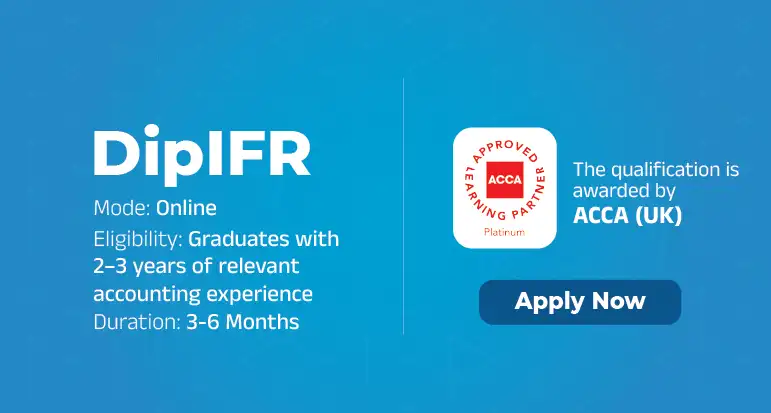
4. Dip IFRS (Diploma in IFRS)
- Specialized certification in international accounting standards
- Highly valued in audit and financial reporting roles
Choosing the Right Certification
Your choice should depend on your career goals:
- Audit & Assurance: CPA, ACCA
- Financial Reporting: ACCA, Dip IFRS
- Management Accounting: CMA USA
- Global Mobility: CPA, ACCA
How to Balance Work and Upskilling
Balancing a demanding job with studies is not easy, but it’s achievable with the right approach.
Tips:
- Create a realistic study schedule
- Use weekends effectively
- Take advantage of online learning platforms
- Stay consistent rather than studying in bursts
Common Mistakes to Avoid in Big 4
Many professionals struggle not because of lack of intelligence, but due to avoidable mistakes:
- Ignoring feedback
- Poor time management
- Lack of communication
- Resisting learning new skills
- Neglecting work-life balance
Avoiding these can significantly improve your experience.
Mastering Essential Skills for Big 4 Career Success
By integrating high-impact analytical strategies with the rigorous curriculum at IIC Lakshya, professionals can successfully complete theoretical knowledge and understand real-world market demands. This focused approach facilitates mastery of complex financial reporting, risk mitigation, and strategic decision-making, ensuring a significant competitive advantage in the global finance industry. Committed learners will effectively optimize their performance and secure sustainable growth, transforming academic credentials into long-term corporate leadership opportunities.
Final Thoughts
Working in the Big 4 can be one of the most rewarding experiences in your career, but only if you are prepared for it.
Success in the Big 4 is not just about being smart. It’s about being adaptable, disciplined, and continuously improving yourself. The right mix of technical expertise, soft skills, and professional certifications can help you not just survive, but truly thrive.
If you focus on building these skills and invest in continuous upskilling through certifications like CPA, ACCA, CMA USA, or Dip IFRS, you’ll position yourself for long-term success, not just in the Big 4, but in the global finance industry.
FAQs
1. Is it hard to survive in the Big 4?
Yes, the environment is demanding, but with the right skills and mindset, it becomes manageable and rewarding.
2. Which skill is most important in the Big 4?
There is no single skill. A combination of technical knowledge, communication, and time management is essential.
3. Do certifications really help in Big 4 careers?
Yes, certifications like CPA, ACCA, CMA USA, and Dip IFRS significantly improve career growth and opportunities.
4. Can freshers survive in the Big 4?
Absolutely. Freshers can thrive if they are willing to learn, adapt, and work hard.
5. How can I grow faster in the Big 4?
Focus on continuous learning, seek feedback, build strong relationships, and invest in professional certifications.
Related Blogs