From ACCA to Finance Business Partner: Career growth explained
Last Updated On -16 Sep 2026
By Sajith R S

Table of Contents
Ask ten ACCA students what they plan to do after qualifying and eight of them will say audit, tax, or "something in finance." Which is fine. But there's a whole career sitting slightly to the left of that answer that most students don't think about until someone else gets the job first. The finance business partner role. It's been growing quietly in Indian companies for the last several years and right now the demand is real, the salaries are genuinely good, and ACCA-qualified professionals are actually well placed for it - more than they realise.
What This Role Actually Involves
A Finance Business Partner is basically the finance person that non-finance teams actually want to talk to. Not because they're softer or less technical - but because they translate what the numbers mean into something a marketing head or a supply chain manager can act on. They sit in business meetings. They push back on bad ideas before money gets spent. They're the ones who say, look, this expansion plan looks exciting but the unit economics don't work and here's why.
That's a very different job from closing monthly books or preparing audit schedules. And the difference between management accountant and finance business partner is exactly that one is producing financial information, the other is using it to change what the business does.
A Quick Real Example
Suresh works in Pune at a mid-size FMCG company. He joined as a financial analyst after completing his ACCA foundation papers. For the first two years, his manager handed him variance reports to prepare every month. Decent work, no complaints. But he wasn't close to any actual decision-making.
Then the company started restructuring its distribution network. Suresh asked if he could help model a few scenarios. Nobody said no. He built three options with cost and margin projections, presented it to the operations head in plain language, not finance language and that one conversation changed how the team saw him. Six months later his title changed. Same company, very different job.
Nobody gave him a roadmap. He just stepped into the gap.
Where ACCA Actually Prepares You For This
People underestimate how strategic the ACCA syllabus gets at the upper papers.
Advanced Performance Management ACCA is probably the most underappreciated paper in the qualification. Students stress about it because the questions are long and the scenarios are complex. But that complexity is the point. It trains you to look at a business situation, identify what's driving performance, and figure out what needs to change. That is the job of a Finance Business Partner, word for word.
SBL Is Basically a Job Simulation
The ACCA Strategic Business Leader exam feels brutal when you're preparing for it. Long case studies, time pressure, no single right answer. But that format is almost identical to what happens when an FBP has to present a recommendation to senior leadership with incomplete information and competing priorities.
One practical tip from students who've done well in SBL, stop trying to find the "correct" answer and start practising structured thinking. What's the situation, what are the real constraints, what would actually work. That mindset is what ACCA strategic business leader tips from good tutors keep pointing toward, and it's exactly what employers test in Finance Business Partner interviews.
The Salary Picture in India
FP&A manager salary in India varies more than most salary guides admit.
In a smaller Indian company, an FP&A analyst with 3 years of experience might earn ₹7 to ₹10 lakhs. At a mid-size MNC in Bengaluru or Mumbai, a Finance Business Partner with 5 to 6 years behind them could be at ₹20 to ₹28 lakhs. Senior roles in FMCG, pharma, or tech cross ₹35 lakhs without being unusual.
But, and this is something worth sitting with two people with identical qualifications can end up at very different salary points depending on how well they communicate their commercial thinking in the interview. The ACCA certificate matters. The ability to explain what you did with it matters more.
Skills the Qualification Won't Give You
Modeling Is Expected, Not Optional
Most commercial finance manager jobs now mention financial modeling in the requirements. Not advanced quant stuff. But basic three-statement modeling, scenario analysis, sensitivity tables - these are expected. A short financial modeling and analysis course alongside your ACCA papers is probably one of the better uses of six weeks you'll find. It shows up immediately in interviews.
Talking to People Who Hate Numbers
This sounds simple. It isn't. Finance professionals are trained for precision. Business teams want fast and clear. Learning to say "we'll lose margin on this if volumes don't hit 80%" instead of walking someone through a detailed cost build takes practice. Real practice, not theory.
The people who move into Finance Business Partner roles quickly are usually the ones who figured this out early, often by putting themselves in uncomfortable situations like presenting to non-finance teams before they felt ready.
Corporate Strategy and Where FBP Fits
Finance Business Partners often become the people who get pulled into corporate strategy conversations. Not always, but often enough that it's worth mentioning. Because they sit at the intersection of financial data and business operations, they develop a picture of the company that very few other functions have.
Some of the more interesting corporate strategy career paths in Indian companies actually trace back through FP&A and business partnering roles. It's not a guaranteed trajectory but it's a realistic one for people who build the right combination of financial depth and business understanding over time.
Strategic financial leadership isn't a designation. It's something you develop over years of being in the right conversations and knowing what to do with them.
Starting With ACCA - The Practical Bit
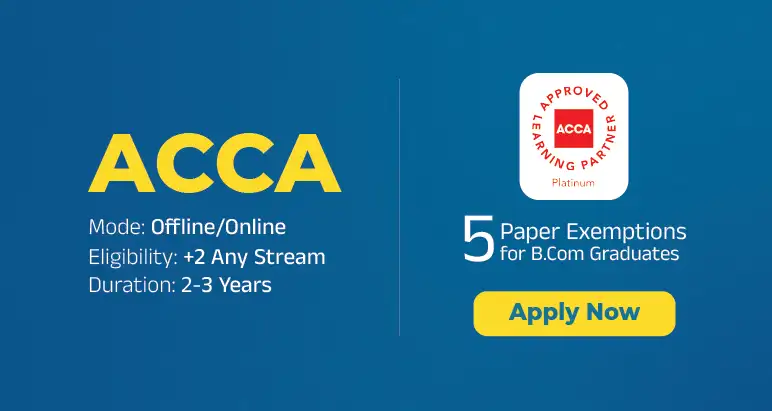
ACCA registration fees and exemptions confuse a lot of students at the beginning. If you have a B.Com degree, you'll likely get exemptions from several Applied Knowledge papers. This reduces the number of exams you need to sit and can meaningfully shorten your timeline.
The rise of the Finance Business Partner role in India highlights a major shift in modern corporate strategy transitioning finance professionals from traditional reporting into active business leadership. Mastering strategic papers like Strategic Business Leader (SBL) and Advanced Performance Management (APM) equips you with the analytical rigor and commercial acumen needed to translate complex numbers into actionable decisions. As an ACCA Approved Platinum Learning Partner, IIC Lakshya delivers structured study plans, real-world case study preparation, and career mentorship to help you leverage your qualification, excel in commercial finance roles, and become a trusted strategic partner in top-tier organizations.
Is the FBP Path Right for You
If you like technical, structured work with clear right and wrong answers, audit and reporting roles will suit you better and those are good, stable careers. The finance business partner role fits people who are comfortable with grey areas, enjoy working across different teams, and don't mind being challenged in meetings by people who have very strong opinions and no finance background.
If that sounds interesting rather than exhausting, this path is worth pursuing seriously.
Also Read
- Career Path of an ACCA Professional in MNCs
- CA Plus ACCA: Is the Dual Qualification Worth It in 2026
- What is the Future of ACCA? Career Scope & Opportunities
- ACCA AFM vs APM: Which Subject Is Better for Your Career?
- Why choose an ACCA Approved Learning Partner?
FAQs
Do I need to finish all ACCA papers before targeting FBP roles?
No, relevant work experience and business exposure matter just as much. Start building both while you're still studying.
Which ACCA paper helps most for FBP interviews?
Advanced Performance Management and Strategic Business Leader are the most directly useful for developing the thinking style that FBP roles require.
Are Finance Business Partner roles available outside big cities in India?
Mostly concentrated in metro cities right now, though manufacturing hubs like Pune and Coimbatore are starting to hire for this profile as well.
Should I do a financial modeling course alongside ACCA?
Yes, it's a practical skill that comes up quickly in FP&A and commercial finance interviews and is worth investing time in early.
How long realistically before an ACCA student reaches an FBP level role?
Typically 4 to 7 years, depending on the quality of roles and exposure along the way, not just the number of years worked.
Related Blogs