Dip IFRS Salary Impact: Do Companies Actually Pay More for IFRS Expertise?
Last Updated On -04 Aug 2026
By Sajith R S

The ACCA Diploma in IFRS (Dip IFRS) is a popular choice for finance professionals, but one question always comes up first: is it worth it? It's a fair thing to ask, since the course takes months of study and real commitment.
The honest answer is that IFRS expertise can affect salary. Not automatically, and not by a fixed percentage it depends on your role, your industry, and honestly, whether you put the skill to work once you have it. A handful of professionals see their salary move quickly. Most treat it as a way in, with the raise landing later, usually after a job change.
This piece of content covers what companies actually pay, which employers look for IFRS talent, and whether the Diploma in IFRS earns back the time it costs. No inflated figures, just a realistic view of the market.
What Is Dip IFRS and Who Takes It?
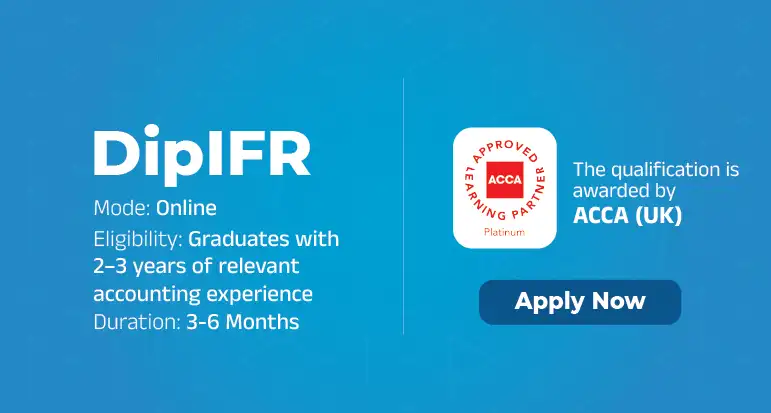
Dip IFRS is ACCA’s Diploma in IFRS, sometimes called the Diploma in IFRS ACCA, a focused qualification in International Financial Reporting Standards for people who already have the accounting fundamentals in place.
It isn’t an entry-level course. Most candidates for the ACCA Diploma in IFRS are working accountants, semi-qualified CAs, ACCA students, or finance professionals with a couple of years of experience behind them. If your job touches financial statements, consolidation, or reporting under Ind AS or IFRS, this qualification is less of a leap and more of a natural next step.
Does DipIFRS Actually Increase Salary?
So, does DipIFRS increase salary in a way you can actually see? Often, yes, just rarely in the way people assume.
The certificate itself doesn’t usually trigger a raise the week you clear it. What it does is get you considered for roles that pay more. Companies moving toward IFRS-based reporting multinationals in particular need people who can read the standards and act on them without being walked through every step. Be that person, and the leverage in a salary conversation shifts your way.
That’s the real reason salary after DipIFRS tends to show up through a new job or an internal move rather than a bump where you’re currently sitting. The professionals who benefit most are those who combine the qualification with actual reporting work, not just the paper itself.
DipIFRS Salary in India: What to Expect?
Numbers shift a fair bit here, so treat the following as bands, not promises. City, employer and years of experience all pull the figure in different directions.
|
Experience Level |
Typical Salary Range (per annum) |
|
0–2 years with IFRS skills |
₹4–7 lakh |
|
3–5 years |
₹7–14 lakh |
|
6–9 years |
₹14–22 lakh |
|
10+ years / leadership |
₹22 lakh and above |
Within each band, an IFRS certified salary often sits nearer the upper end than the pay offered to peers without the credential. That gap widens once you move into senior reporting or controllership work to the point where IFRS knowledge stops being a bonus and starts becoming part of the job description.
None of it is guaranteed, though. Your track record, how well you communicate under pressure, and how urgently a given employer needs IFRS skills all shape what ends up on the offer letter.
Companies Hiring DipIFRS Professionals
IFRS demand runs highest wherever a company reports across borders or answers to international clients. Looking at IFRS jobs in India specifically, four segments stand out.
- Big 4 and consulting firms - Big 4 IFRS jobs remain one of the more realistic entry points, with assurance, advisory, and reporting teams hiring regularly.
- Multinational corporations - Overseas parent companies mean IFRS at the group level, so the skill is valued almost automatically.
- Global capability centres (GCCs) - India’s shared-services hubs keep recruiting for IFRS reporting roles year after year.
- Large Indian corporates - Firms reporting under Ind AS, which closely mirrors IFRS, want people who are fluent in both frameworks.
Finance professionals with IFRS certification often clear shortlists faster here less because the certificate is magic, and more because it signals that you won’t need months to get up to speed.
Return on Investment: Is DipIFRS Worth It?
To weigh the return on investment of DipIFRS honestly, put the cost next to what it opens up.
Compared with full qualifications like ACCA or CA, this one is lighter on both fees and time. Most working professionals finish in six to twelve months without leaving their job. Land a role paying even 15 to 30 percent more afterward, and the cost comes back quickly.
Context still matters, though. If IFRS barely touches your daily work and your sector doesn’t lean on it, don’t expect a dramatic jump that’s simply realistic. For anyone aiming at reporting, audit, or global finance roles, the benefits of DipIFRS certification tend to justify the investment. Is DipIFRS worth it for salary growth in that case? Generally, yes.
Common Mistakes Professionals Make
A handful of patterns turn up again and again among the students we mentor.
One is expecting a raise the moment the results are out; the pay jump usually follows a role change, not the exam. Another is enrolling with no real plan for using the skill, then feeling let down six months later when nothing has moved.
A third and a common one is treating the Diploma in IFRS as a way around real experience. Employers still notice who’s actually done the work. The candidates who stand out pair the certificate with hands-on experience in financial statements and consolidation.
Not sure how this fits your own path? A short conversation with a career counsellor can save you an expensive detour. Course-planning support often goes further than people expect.
Career Opportunities After Dip IFRS ACCA
The Dip IFRS ACCA route opens DipIFRS career opportunities well beyond a single job title. Think IFRS reporting analyst, financial reporting manager, technical accounting specialist, or consolidation lead and, with time, controllership or finance leadership isn’t out of reach either.
Because these standards cross borders, these skills can also support ACCA job opportunities abroad. Gulf markets and other IFRS-following regions often welcome certified professionals, adding to the longer-term IFRS jobs salary potential.
Planning to sit the full ACCA eventually? This diploma gives you a head start and a real sense of how deep ACCA’s reporting expectations go.
Final Thoughts
So, do companies pay more for IFRS expertise? They pay more for people who can apply for it and the Dip IFRS ACCA is one of the clearer ways to show that you can. It opens better roles, strengthens your hand at the negotiating table, and adds real weight in a finance world built around reporting.
Keep your expectations grounded. Decide early how you’ll actually use the skill, and treat it as part of a broader career plan rather than a shortcut to quick money. Handled that way, an IFRS certification course becomes a deliberate investment, not a gamble. IIC Lakshya offers academic guidance and free counselling sessions to help you work out where it fits and plan your next move.
Also Read
- Why DipIFRS is Important for Global Finance Careers
- How to Become an IFRS Expert After CA or ACCA
- DipIFRS Eligibility and Exam Format: Everything You Need to Know
- How to Become an IFRS Specialist in Big 4 Firms
- Career Options and Salary after Diploma in IFRS
Frequently Asked Questions
Does DipIFRS increase salary immediately?
Rarely on its own. The certificate makes you eligible for better-paying reporting roles, so the raise usually arrives through a promotion or a new job not as an automatic hike the week you pass.
What is the average DipIFRS salary in India?
It depends heavily on experience and employer. Professionals with three to five years of experience typically earn ₹7 to ₹14 lakh a year, often more within multinational companies.
Who should take the ACCA Diploma in IFRS?
It is best suited to working accountants, semi-qualified CAs, ACCA students, and finance professionals with a couple of years of experience, especially anyone handling reporting or aiming to move into IFRS-based work.
Which companies hire DipIFRS professionals?
Big 4 firms, multinationals, global capability centres, and large Indian corporates following Ind AS are the most active recruiters of professionals with IFRS certification.
Is DipIFRS worth it for salary growth?
If your role already touches accounting or finance, it can be. The cost and time investment remain modest, and the payoff usually shows up once you land a job that genuinely needs IFRS skills.
Related Blogs