Credit Score Guide: Factors, Benefits & How to Improve It
Last Updated On -05 Aug 2026
By Sagnika Sinha
When you apply for an education loan or a home loan, your application might get rejected even if you have a stable income. Do you know why? One of the main reasons you might get rejected is your low credit score.
Now, do you know why a credit score is so important when evaluating your financial health and performance? A credit score is not just a number, but it is a reflection of your financial discipline because it shows your responsibility in managing borrowed money to financial institutions and banks.
For young professionals and students, it is important to understand credit scores. It is also an integral part of the role of a credit analyst as a profession, which integrates knowledge and practical experience. Let’s learn the meaning, its impact on financial life, and its long-term influence on future financial transactions.
What is a Credit Score?
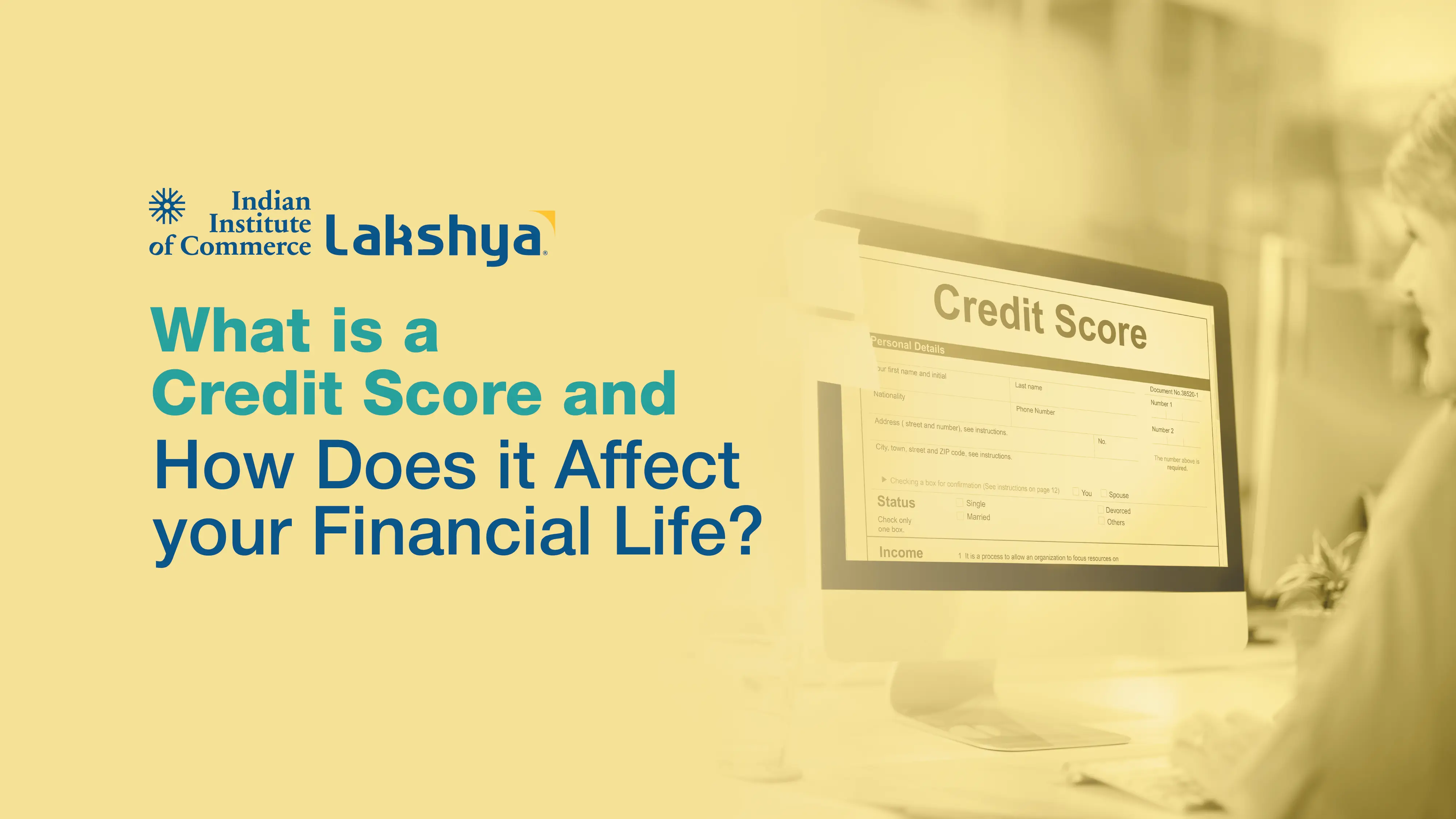
A credit score represents the creditworthiness of an individual and is usually of three digit number ranging between 300 and 900. In India, a credit score is also commonly referred to as a CIBIL score. There are other credit bureaus, such as Equifax, CRIF High Mark, and Experian also provide credit reports.
Generally:
- 750 and above: Excellent credit score
- 700–749: Good credit score
- 650–699: Fair credit score
- Below 650: Needs improvement
This is the score based on which lenders use to evaluate the risk of lending money to individuals. If you have a higher CIBIL score, it shows that you make payments related to credit card dues and loans of the bills timely. You will also develop an expertise in how to master money and market effectively.
How It Affects Your Financial Life
A credit score can impact your financial life as it influences various aspects of your financial journey. If you maintain a healthy and effective score, you will find better financial opportunities.
Loan Approvals & Interest Rates
If you have a good credit score, it ensures that you won’t have any issues applying for a loan. There is a higher probability that you will not be rejected. You will be considered a low-risk borrower by the banks with strong credit scores. Here are the probable results:
- Approve loan applications quickly.
- Offer higher loan amounts.
- Provide lower interest rates.
- Give flexible repayment options.
Credit Card Access
Credit card companies also evaluate your credit score before issuing a card. A strong credit profile may help you receive:
- Premium credit cards.
- Higher credit limits.
- Better reward programs.
- Lower annual fees.
- Exclusive travel and shopping benefits.
With a low credit score, the outcome you might face is a higher interest rate or restrict your options. People working in inventory management and cost optimization also develop expertise in how to manage credit for a business.
Housing & Rentals
Project management companies and landlords in recent times have started checking on the credit reports of individuals before they rent properties. This is where a good credit score is important because then landlords and property managers learn about you being responsible with finances, and will pay rent and dues on time.
Employment & Insurance
Similarly, insurance companies in some countries consider credit history while determining premiums. While this is not yet widespread in India, maintaining good financial discipline remains beneficial for future opportunities.
Utility Connections
Your credit profile is also checked by telecom companies when you apply for high-value connections or postpaid services. However, this is not mandatory for all service providers; however, maintaining a good credit score establishes your overall financial credibility.
Key Factors That Shape Your Score
Here are some factors that help professionals shape their credit scores over the long term and make better financial decisions. There are several career opportunities in Accounting Standards and Policy where integral elements of credit score and loan requirements are discussed.
Payment History
The most important factor that influences your credit score is payment history. You should always pay:
- Loan EMIs
- Credit card bills
- Borrowed dues
before the due date.
You should never miss any payments because it will negatively impact your credit score and will show on your credit report for many years. Timely payments demonstrate financial responsibility.
Credit Utilization
It is the percentage representation of the available credit limit of what the professionals can actually use. To maintain a healthy credit score, experts recommend that you keep your credit utilization below 30%.
Length of Credit History
If you have a long credit history, it helps your lenders into evaluation of repayment behavior. It reflects positively on your responsibility of maintaining effective financial transactions as you maintain older credit accounting. With the integration of debit and credit, the financial experience of professionals.
Credit Mix
If you can manage different types of credit responsibly, lenders will appreciate you significantly. Here are some of the examples of credit mix:
- Home loans
- Education loans
- Personal loans
- Credit cards
- Auto loans
A balanced mix of secured and unsecured credit demonstrates your ability to handle different financial obligations. However, borrowing unnecessarily simply to improve your credit mix is never recommended.
New Credit
Applying for multiple loans or credit cards within a short period can reduce your credit score temporarily. Every loan application results in a "hard inquiry," which lenders can see. You have to apply for new credit if you genuinely need it.
Wrapping Up!
In conclusion, a credit score is one of the most significant financial assets for professionals or anyone with a plan. If you are a student preparing for a career in finance or the corporate world, applying for an education loan, home loan, or planning financial products, learning about credit scores is quite important. It helps in influencing financial decisions along with achieving financial success.
Read More
- Cash Credit
- How to Build a Career in Cost Audit and Compliance
- Career Roadmap: From Cost Analyst to Finance Manager
- Why DipIFRS is Important for Global Finance Careers
- GAAP Conversion Careers: Roles, Skills, Salary & Growth
Frequently Asked Questions
Why should college students learn about credit scores?
College students must learn about credit scores because they need to prepare for future financial decisions. When they apply for a home loan, an education loan, or start their professional career, learning about credit scores will help them secure a financial future and achieve long-term goals.
Can employers check my credit score?
In India, it is not a common practice for employers to check their employees’ credit scores. However, if you are working in financial services, banking, or sensitive financial roles, your credit score is an important aspect of your profile and might be checked during the hiring process.
Does closing a credit card improve my credit score?
No, if you close a credit card, there is no guarantee that your credit score will improve. You need to reduce the available credit limit and reduce the credit history.
How long does it take to improve a credit score?
There is no fixed timeline to improve a credit score. You need to pay bills on time regularly, avoid unnecessary credit applications, and maintain low credit utilization.
Does applying for multiple loans affect my credit score?
Yes, applying for multiple loans can impact my credit score because it temporarily decreases my credit score. It might increase the financial stress in the long-term.
Related Articles