
What Can a Commerce Stream Actually Become? A Career Map for Class 11 and 12
Last Updated On -22 Oct 2026
Choosing the commerce stream opens up career paths in accounting, finance, banking, law and business analytics. If you're in Class 11 or 12, understanding these commerce career options can help you choose courses that match your interests, strengths and future plans.
Each path has its own eligibility requirements, study duration and practical demands. Checking these early helps you compare your options and plan what to do after Class 12.
This guide covers the main career routes, key courses, realistic starting salary ranges and a year-wise plan. Our course overview page helps you compare professional qualifications as you read.
Commerce Career Options: The 5 Main Routes
Most career options after 12th commerce fit into five routes, and many students combine two of them.
- Professional finance courses like CA, CMA India, CS, ACCA, CMA USA and CPA
- A degree-first route through BCom, BBA or BA Economics, often followed by an MBA
- Banking and government jobs, which mostly need a degree first
- Law, through five-year BBA LLB or BCom LLB programmes, with admission through CLAT or other routes depending on the university
- Analytics, fintech and digital roles for students who like numbers and tech
Each of these career options in the commerce stream is explained below.
Does Taking Maths in Class 11 Change Anything?
It does. Your subject mix quietly shapes some of your career options in commerce later on.
- With Maths, you have a stronger foundation for Economics at top universities, actuarial science and data analytics.
- Without Maths, CA, CS, CMA India, law and most bank exams are still available, along with many BCom and BBA programmes. Check individual college requirements. ACCA also accepts Accountancy in place of Maths.
Our honest advice? If economics or analytics interests you even a little, consider taking Maths now. Check the workload and your school's subject-change rules; picking it back up later isn't always straightforward.
Professional Courses After 12th Commerce
Professional bodies and licensing boards award these qualifications. Employers value the technical knowledge and practical training behind them.
|
Course |
Awarding Body |
When You Can Start |
Typical Duration |
|
ICAI, India |
After Class 12 |
About 5 years, with articleship |
|
|
ICMAI, India |
After Class 12 |
3 to 4 years |
|
|
ICSI, India |
After Class 12 (CSEET) |
3 to 4 years |
|
|
ACCA, UK |
After Class 12, with required marks |
About 3 years for exams |
|
|
IMA, USA |
During or after graduation |
12 to 18 months for exams |
|
|
US state boards; AICPA develops the exam |
After graduation, subject to state-board requirements |
12 to 18 months for exams |
Durations vary with the number of attempts and training requirements. For ACCA, CMA USA and CPA, clearing the exams and earning membership, certification or a licence are separate steps.
What Students Should Know First
- CA takes patience. Many students need more than one attempt. ICAI now holds Foundation and Intermediate exams three times a year, and Final exams in May and November.
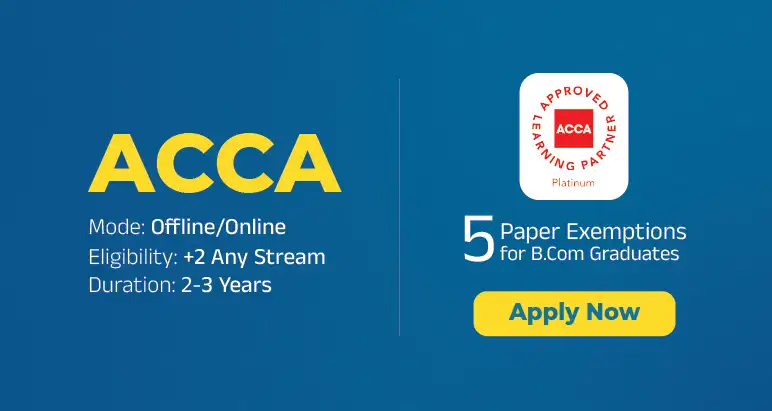
- ACCA has a marks rule. Direct entry needs passes in five subjects, including English and Maths or Accountancy, with 65% in at least two subjects and over 50% in the others. ACCA Global Our ACCA eligibility guide explains the route for those who fall short.
- US courses have education requirements. You can take CMA USA exams alongside a BCom, but certification also needs a degree or an accepted professional qualification and relevant experience. CPA eligibility depends on the chosen US state board and your academic credits.
- Integrated programmes can save time by running a BCom alongside ACCA, CA or CMA USA. See how an integrated BCom and ACCA programme works.
There's no fixed list of best courses for commerce students. It depends on your goals and how many years you can give.
Courses After 12th Commerce: Degree Options
A degree still matters for government jobs, study abroad and US qualifications.
- BCom is the most common choice, and works best with a professional course or skills like Excel, Tally and GST filing.
- BBA or BMS suits students interested in management or running a business.
- BA or BSc Economics fits policy and analytics roles, though many universities require Maths in Class 12.
- Four-year honours degrees are now offered by many universities, including Kerala's state universities.
Many universities admit through CUET-UG, so keep track of application dates during board preparation.
Commerce Stream Jobs in Banking and Government
Many families prefer these jobs for their stability. Most of the exams open only after graduation.
- Bank PO and clerk posts through IBPS and SBI
- RBI Grade B and NABARD officer posts
- SSC CGL posts such as auditor and tax assistant
- Accountant posts through state PSCs, including Kerala PSC
These exams test aptitude, reasoning and English; some officer exams also cover finance and economics. Seats are limited, so keep a backup plan.
Newer Commerce Job Opportunities
Some of today's commerce job opportunities looked very different ten years ago.
- Global finance centres. Multinationals and Big Four firms in Kochi, Bengaluru and Hyderabad hire for IFRS reporting, financial planning and analysis (FP&A) and audit support.
- Financial analytics. These roles combine accounting knowledge with Excel, Power BI and SQL.
- Fintech. Operations, risk and compliance jobs at payment companies.
- Actuarial science. Insurance and risk work for students strong in Maths.
In placement drives, we often see skills matter alongside the degree name. A BCom graduate with a few ACCA papers cleared can have an advantage when applying for relevant finance roles.
Commerce Scope After 12th: What Salaries Really Look Like
Read these as broad starting ranges, not promises. Offers vary by employer and location; annual CTC is different from take-home pay.
- Newly qualified CAs: around ₹12–13 lakh a year on average (CTC) in ICAI's August–September 2025 campus placements, though many start lower outside campus drives.
- ACCA and CMA USA at entry level: roughly ₹4–8 lakh a year in global finance centres
- BCom without extra qualifications: often ₹2.5–4 lakh a year
- Analytics freshers: roughly ₹3.5–6 lakh a year
- Bank and government officers: fixed pay scales plus allowances and job security
If a social media post promises huge packages to every fresher, take it with a pinch of salt.
What to Do After 12th Commerce: A Year-by-Year Plan
A simple plan turns a vague interest into an actual career after 12th commerce.
- Class 11: Get your basics right in Accountancy and Economics, and settle the Maths question early.
- Class 12: Shortlist two paths and check their entry rules. ICAI and ICMAI allow registration before board results, so plan your Foundation attempt early.
- After boards: Begin your professional course or an integrated degree. Use the break to learn Excel.
- During graduation: Aim to clear major professional papers before your degree ends, and get real work exposure through an internship or articleship.
Career Planning Mistakes We See Often
- Choosing a course just because a friend or cousin did
- Dropping Maths without checking what it closes
- Signing up for three courses at once and finishing none
- Picking a career only for its highest salary headline
- Leaving English and Excel skills for placement season
A typical case: a student plans ACCA for two years, then discovers their marks don't meet direct-entry requirements. An eligibility check in Class 11 would have changed how they prepared.
Choosing the Right Commerce Career Options for You
The commerce stream offers more choices than most students realise. Narrow your commerce career options down to two paths that suit your interests, marks and budget, then compare eligibility, duration and fees.
Still unsure? A short talk with a mentor can help you work through the choices. IIC Lakshya runs free counselling sessions for Class 11 and 12 students comparing CA, ACCA and CMA USA. Book a session or join one of our master classes.
Also Read
- Accounting vs Finance Degree
- How to become a CFO?
- Career Path in Pricing and Profitability Analysis: Roles, Skills and Certifications
- Career Path in Business Finance and Decision Support Roles
- High Paying Finance Jobs in India
Frequently Asked Questions
Which is the best course after 12th commerce?
There isn't one best course for everyone. CA suits students who want a respected Indian qualification and can give it about five years, while ACCA and CMA USA suit those aiming for global finance roles.
Can I do CA without Maths in Class 12?
Yes. ICAI doesn't ask for Maths in Class 12, though the Foundation exam has a quantitative aptitude paper, so basic number skills still help.
Which commerce career options pay the most?
CA, investment banking, actuarial science and roles backed by global qualifications generally pay well. Over time, skills matter more than your first salary.
Is commerce a good stream for the future?
Yes, if you have a clear plan. Global companies keep growing their finance teams in India, though a plain degree alone faces tough competition.
Can I start ACCA right after Class 12?
Yes, if you have passed in five subjects, including English and Maths or Accountancy, with 65% in at least two subjects and over 50% in the others. If you fall short, you can start through ACCA's Foundations in Accountancy route.
Related Blogs